
Atlas / structure the information
Inventory building records, identity, sources and stewardship needs.
Explore AtlasPROFESSIONAL CONTEXT
Orbis Structus helps authorized owner-side stakeholders understand project status, approved findings, planned actions and building history without exposing internal professional working records.
Discuss portfolio visibilityFICTIONAL BUILDINGS / LOCAL DEMONSTRATION ONLY
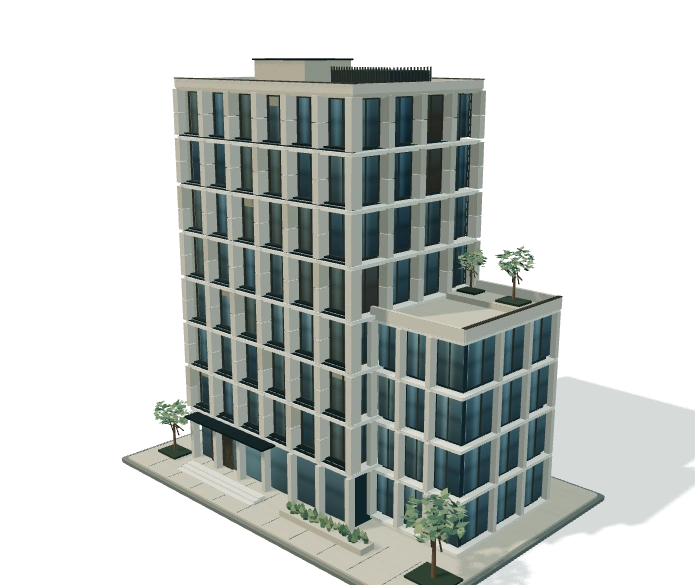
Courtyard House is a fictional property in this website example. Matching names alone do not establish physical asset identity.
Building and component reference.
Sources, dates and separately reviewed records.
Permitted released information.
Intervention and capital-plan context require their own scope and review.
No operational risk rank, portfolio KPI or financial forecast is generated.
OWNER / PROFESSIONAL / SERVICE BOUNDARIES
Authorized released information, building identity and the history relevant to a scoped discussion.
Original evidence, draft interpretation and internal review remain with the authorized professional team.
Inventory building records, identity, sources and stewardship needs.
Explore AtlasDefine completeness, consistency or traceability criteria for an agreed evaluation.
Explore AssureFor an owner, the starting questions concern buildings, the continuity of released information and the context behind intervention and lifecycle decisions. Authorized visibility does not expose internal drafts or turn a roadmap analytics concept into a live portfolio service.
Platform in development · External enrolment closed. Scope and commercial terms are agreed for your organization.
View information within the agreed and implemented scope.
Use the reviewed output with its professional context.
Retain approved context for planning where supported.
Understand the authorized project context and stage.
Explore this pathKeep client deliverables distinct from internal drafts.
Explore this pathUse approved findings and historical context where implemented.
Explore this pathSupport retained expertise and the owner’s own decision process.
Explore this pathBring your workflow and questions. Discuss where Lumetra or a scoped Orbis service may fit.
Request a walkthrough